How Does Mega Ball Live Work? The Mechanics Behind the Multiplier Mayhem
Understanding Mega Ball Live requires a granular look at its hybrid structure, which fuses a standard lottery draw with a live game show format and a bonus ball mechanic. The core engine operates on a random number generator (RNG) certified by independent testing agencies, ensuring each ball draw is statistically independent and auditable. 🎲 The game begins with a 51-ball draw from a standard lottery machine, and players place bets on whether their chosen numbers will match any of the drawn balls. The twist lies in the Mega Ball itself, drawn from a separate 20-ball set, which activates multiplier values that can dramatically inflate payouts.
The Live Dealer Integration and Real-Time Wagering Dynamics
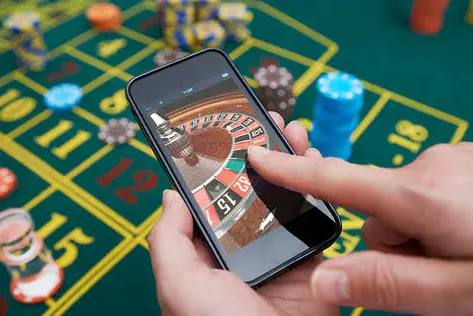
Unlike pure RNG-based lottery games, Mega Ball Live is hosted by a human dealer in a broadcast studio, streamed in high definition to your device. This live element introduces a psychological layer: players watch the physical draw in real time, creating a sense of transparency and immediacy. The betting window closes precisely before the first ball is drawn, and the dealer announces each number, while the on-screen interface automatically updates your ticket. The multiplier ball is drawn after the main draw, and if it matches any of your numbers, the corresponding multiplier (ranging from 5x to 100x) is applied to your winnings. This mechanic is not merely cosmetic; it redefines volatility and potential return on investment per round. 🎰

Mathematical Probabilities and House Edge in the Mega Ball Format
From a probabilistic standpoint, the Mega Ball draw introduces a secondary layer of variance. The base game follows a hypergeometric distribution for matching numbers, but the multiplier ball adds a conditional probability branch. For example, if you match two main numbers and the Mega Ball, your payout multiplies by the drawn multiplier value. The house edge is baked into the payout table, typically ranging between 3% and 8% depending on the jurisdiction and specific bet type. Professional players analyze the expected value (EV) per bet by factoring in the multiplier distribution, which is uniformly random across the 20-ball set. This is not a game of skill in the traditional sense, but bankroll management and bet sizing become critical when chasing high-multiplier outcomes. 📊
Strategic Betting Patterns and Multiplier Chasing
Advanced participants often employ a tiered betting strategy: allocating a portion of their bankroll to straight number matches and another to multiplier-dependent combinations. Because the multiplier ball is drawn independently, the probability of hitting a high multiplier (e.g., 100x) remains constant per round, but the payout structure rewards those who cover more number combinations. However, the cost per ticket scales linearly with the number of selections, so the risk-reward ratio must be calculated meticulously. Some players focus on the "Mega Ball only" bet, which offers lower variance but also lower potential returns. The key is to recognize that the multiplier does not change the underlying odds of matching numbers; it only scales the payout when a match occurs. 🧠
Regulatory Compliance and Fairness Verification in Live Mega Ball
Reputable operators of Mega Ball Live submit their RNG and live draw procedures to rigorous third-party audits, such as those conducted by eCOGRA or GLI. These audits verify that the ball draw is random, the multiplier selection is unbiased, and the payout percentages align with published theoretical returns. The live stream itself is often recorded and archived for dispute resolution. Players should always verify the licensing authority (e.g., UKGC, MGA, or Curacao) before participating, as this ensures adherence to fair play standards. The integration of a live dealer with an RNG-driven multiplier system creates a unique hybrid that demands both trust in the platform and an understanding of the dual randomness sources. 🔍
Technological Infrastructure and Latency Considerations
The seamless operation of Mega Ball Live depends on a robust streaming architecture with low-latency video delivery. Betting commands are transmitted via secure APIs, and the game state is synchronized across all clients in real time. Any delay between the live video feed and the betting interface could disadvantage players, so operators invest in edge computing and redundant data centers. From a player perspective, a stable internet connection and a modern browser are essential to avoid missing the betting window. The multiplier animation and payout calculations occur server-side, ensuring that the visual presentation matches the mathematical outcome without manipulation. ⚙️
As the live dealer announces the final multiplier and the winnings are credited, the cycle resets for the next round. The allure of Mega Ball Live lies in its fusion of traditional lottery anticipation with the dynamic thrill of a multiplier that can transform a modest match into a substantial payout. Whether you are a casual participant or a seasoned analyst, the game offers a transparent, fast-paced environment where probability, technology, and live entertainment converge.